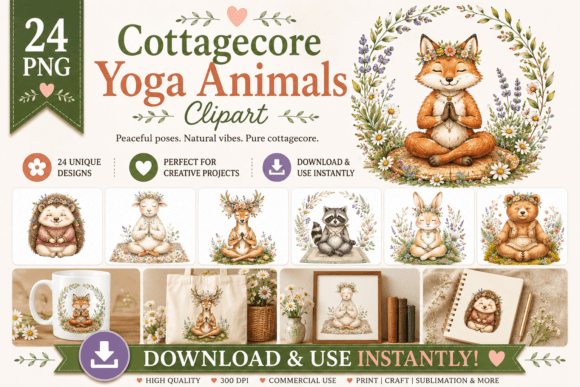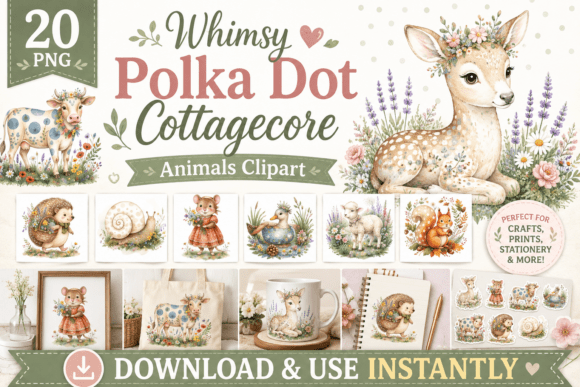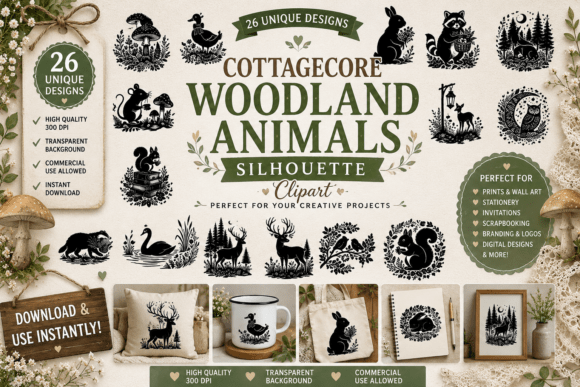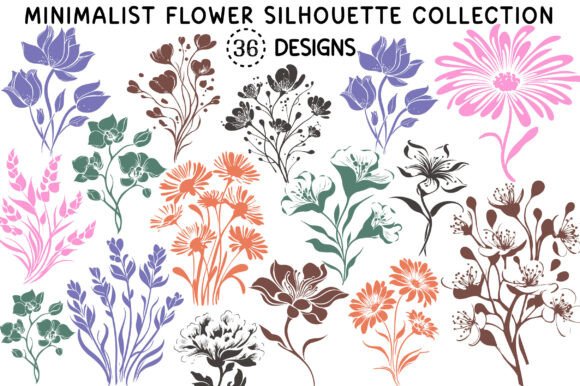
Animals Minimalist Cartoon Sublimation
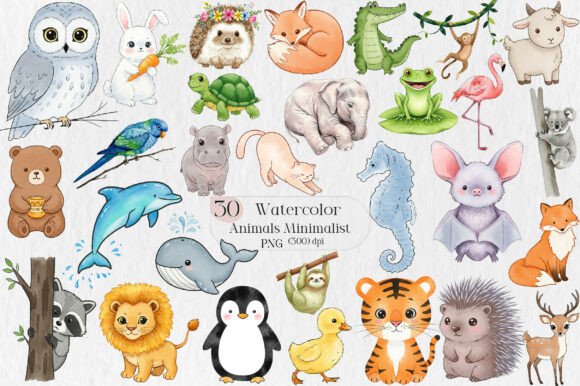
If you're designing merch, crafting classroom materials, building a brand identity, or launching a print-on-demand shop, Animals Minimalist Cartoon Sublimation assets offer quiet versatility — clean lines, expressive charm, and zero visual clutter. These aren’t just cute animal silhouettes. They’re thoughtfully distilled characters: a fox with one curved ear, a sloth mid-yawn with three soft lines for fur, a whale rendered in two gentle arcs. Each design balances recognition with restraint — enough detail to spark joy, enough simplicity to scale flawlessly from a 2-inch enamel pin to a 48-inch canvas wall art piece.
Why This Style Fits Real Workflows
Minimalist cartoon animals thrive where clarity and consistency matter. Unlike photorealistic or highly detailed illustrations, they avoid competing with text, background patterns, or busy layouts. That makes them ideal for educators labeling science units (“Habitat Match-Up” cards with a minimalist owl and pine tree), small-business owners branding eco-friendly packaging (a single-line turtle on compostable mailers), or content creators designing Instagram story templates (a tiny raccoon peeking from the corner of a productivity planner slide).
Their strength lies in adaptability — not decoration. Because every file is delivered as a high-resolution PNG with transparent background, there’s no wrestling with clipping masks or white edges when placing them over gradients, textures, or photos. You drop it in, resize it, recolor it in your editing software, and move on. No redraws. No licensing guesswork. Just immediate, reliable visual support.
What’s Inside the Pack — And Why It Matters
You get 30 unique animal designs — not variations of the same template, but distinct personalities: a curious hedgehog, a grounded tortoise, a playful otter floating on its back. All are hand-crafted for sublimation printing, meaning they hold up under heat transfer without pixelation or color bleed. But their utility goes far beyond mugs and tumblers:
- T-shirts & hoodies: Print crisp single-color versions on black fabric — the clean outlines pop without needing underbase or complex separations.
- Digital planners & Notion templates: Use them as section dividers, habit tracker icons, or mood log avatars — their transparency means they layer cleanly over custom backgrounds.
- Greeting & invitation cards: A minimalist flamingo beside “Happy Birthday” feels fresh, not cutesy; a fox beside “Thank You” adds warmth without childishness.
- Classroom resources: Teachers embed them into editable Google Slides for life science units — no copyright concerns, no need to credit, no attribution required.
- Scrapbooking & mixed-media crafts: Print on sticker paper, cut with precision, layer over handmade journals or memory boxes — the thin lines align perfectly with fine-tip pens or washi tape borders.
Commercial Use Done Right — No Surprises
Yes, you can use these commercially — and that permission is baked in, not buried in legalese. You’re free to apply them to products sold via Etsy, Amazon Merch, Redbubble, or your own Shopify store. You can include them in client deliverables — say, a social media kit for a pet wellness brand or branded worksheets for a children’s yoga instructor. You can even modify them: stretch the giraffe’s neck for a custom mascot, combine the bear and moon for a night-sky themed journal cover, or add subtle texture overlays to match your brand’s tactile aesthetic.
What you *can’t* do is redistribute the raw files — no uploading them to free graphic sites, no bundling them as “bonus clipart” in a course download, no reselling the ZIP folder as-is. That protects both the creator’s work and your integrity as a professional who values original assets.
Practical Tips Before You Design
Start by checking your output medium. For sublimation on polyester fabrics or coated ceramics, stick to solid fills or very light gradients — intricate shading may soften at high heat. For digital use, export at 300 DPI if printing, 72–150 DPI for web — the high-res source files give you room to adjust without quality loss.
Consider color psychology subtly. A minimalist blue whale reads calm and trustworthy — great for mental health apps. A warm-orange fox feels energetic and clever — fitting for a puzzle brand or learning platform. You don’t need to overthink it, but letting the animal’s natural associations reinforce your message adds quiet cohesion.
If you’re building a series — like a set of animal-themed planners or a line of classroom posters — pick 3–5 core animals and use consistent stroke weight and spacing across layouts. That repetition builds visual rhythm, making your collection feel intentional, not assembled.
Instant Access, Zero Wait Time
This isn’t a physical product. There’s no shipping delay, no inventory tracking, no customs forms. As soon as your payment clears, you’ll receive an email with a secure download link. The files are organized clearly — no nested folders, no confusing naming — just 30 PNGs, ready to open in Photoshop, Canva, Affinity Designer, Cricut Design Space, or even PowerPoint.
If something doesn’t download or a file appears corrupted, reach out directly. Real humans monitor those messages — not bots — and replies go out within business hours. No ticket numbers. No scripted responses. Just quick, practical help so you can get back to creating.
A Final Thought for Creators Who Value Substance Over Sparkle
Good design assets don’t shout. They serve. Animals Minimalist Cartoon Sublimation works because it respects your time, your audience’s attention, and your creative intent. It doesn’t demand attention — it earns relevance. Whether you’re screen-printing tote bags for a local farmers’ market, illustrating a bilingual nature guide for elementary students, or designing a calming meditation app icon set, these animals stay quietly supportive — never distracting, never dated, never demanding explanation.
They’re tools, not trophies. And the best tools disappear into your process — leaving only the impact of what you make with them.